 18 August 2026
 Share
Share
1

Annual and seasonal expenses can make a regular budget feel unpredictable. Costs such as holiday gifts, school supplies, insurance payments, home maintenance, and travel may happen only once or twice a year, but they can take up a large part of your income when they arrive.
The key is to plan for these expenses before they are due. By identifying upcoming costs, estimating their amounts, and setting aside money over time, you can turn occasional bills into manageable monthly budget items.
Annual expenses happen once a year or at a specific time each year. Examples include:
– Insurance premiums
– Membership renewals
– Tax preparation fees
– Vehicle registration
– Annual subscriptions
– Professional or school fees
Seasonal expenses are connected to a particular time of year, holiday, activity, or weather pattern. Common examples include:
– Holiday gifts and meals
– School clothing and supplies
– Winter heating costs
– Summer travel
– Back-to-school activities
– Home or yard maintenance
– Seasonal clothing
These costs may not appear in your monthly bills, but they are still part of your overall spending. Leaving them out of your regular budget can lead to last-minute stress or the need to reduce spending in other areas.
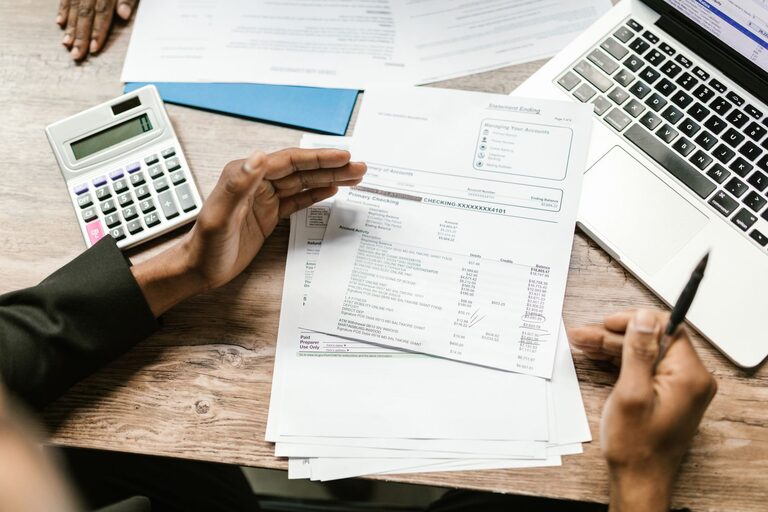
The easiest way to discover annual and seasonal expenses is to review your records from the previous 12 months. Look at bank statements, receipts, payment histories, and subscription accounts.
Create a list of expenses that occurred only once or during certain months. Include both large and small items. Small costs can add up, especially when several occur close together.
As you review your records, ask:
– What expenses happened only once?
– Which costs appeared during a particular season?
– Were any payments larger than expected?
– Did you forget about any renewals or yearly fees?
– Which expenses caused your budget to feel tight?
If you do not have a full year of records, use calendars, account statements, and reminders to create an initial estimate. You can update the list as you learn more.
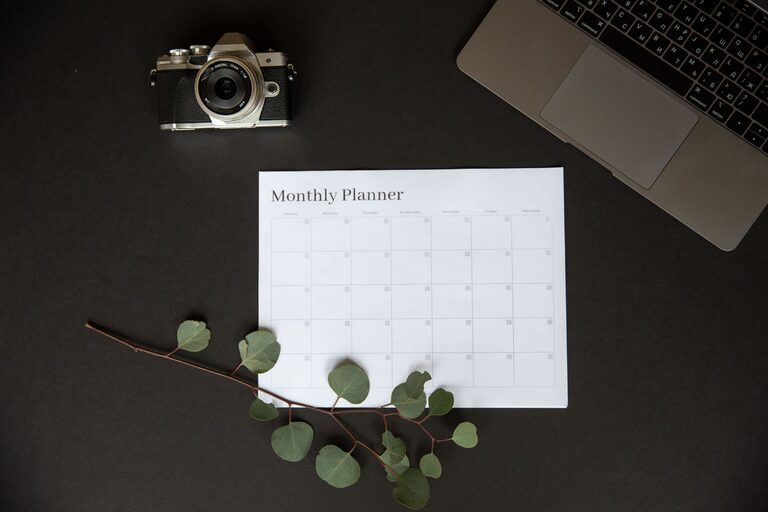
Once you have a list, organize each expense by the month or season when it is likely to occur. A simple calendar or spreadsheet can help.
For each expense, record:
– The name of the expense
– The expected due month
– The estimated cost
– Whether it is required or optional
– Any changes you expect this year
For example, you might list school supplies in August, holiday spending in December, vehicle registration in March, and home maintenance in May.
This schedule shows when your budget may need extra flexibility. It also gives you time to prepare rather than reacting when a bill arrives.
Next, estimate how much you will spend on all annual and seasonal expenses combined. Be realistic instead of choosing the lowest possible amount.
If an expense varies from year to year, review previous costs and use a reasonable average. You can also add a small amount for price changes or unexpected increases.
For example:
– Holiday gifts: $600
– Vehicle registration: $180
– School supplies: $250
– Annual subscriptions: $240
– Home maintenance: $500
The total in this example is $1,770. This number represents the estimated yearly cost, not a new bill that must be paid immediately.
A practical way to prepare is to divide each annual estimate by the number of months available before the expense is due. If you are planning for the full year, divide the total by 12.
Using the example above:
$1,770 divided by 12 equals $147.50 per month.
Setting aside about $148 each month would help cover those expenses over the year. If you begin planning later, you may need to divide the cost across fewer months. In that case, review your timeline and adjust the monthly amount to fit your available budget.
For expenses due early in the year, begin saving for them as soon as possible. Planning for next year’s early expenses immediately after this year’s payment can give you more time.
Keeping money for future expenses in a separate savings category can make your plan easier to manage. You do not necessarily need a separate bank account for every expense. Instead, use labeled categories in your budgeting app, spreadsheet, or savings account.
Possible categories include:
– Holidays
– Travel
– Home care
– Vehicle costs
– School expenses
– Annual bills
– Gifts and celebrations
Clear labels make it easier to see whether you are prepared for each upcoming cost. They also reduce the chance of spending money that has already been set aside for another purpose.
Treat your monthly contribution for annual expenses like any other regular budget item. Include it when you plan your income and spending for the month.
For example, your monthly budget might include:
– Housing
– Utilities
– Food
– Transportation
– Everyday spending
– Emergency savings
– Annual and seasonal expense funds
This approach helps you recognize the true monthly cost of your lifestyle. Even if a payment happens only once a year, setting aside money for it regularly makes the expense more predictable.
A yearly plan is useful, but it should not remain unchanged. Review your categories a few weeks before a major season or event.
Check:
– How much money has been set aside
– Whether the estimated cost is still accurate
– Which expenses are essential
– Whether plans have changed
– How much time remains to prepare
If you are short of your goal, look for practical adjustments. You might reduce optional spending, change the timing of a purchase, choose a lower-cost option, or revise the plan for the next year.
Avoid waiting until the final week to make decisions. Early review gives you more choices.
Some annual costs are difficult to predict. Home repairs, travel, gifts, and seasonal utility bills may change from year to year. Consider adding a modest cushion to categories that often vary.
You can also create a general “irregular expenses” category for costs that do not fit neatly into another group. Use it for occasional needs, but keep track of what it covers so it does not become an unclear spending pool.
If you do not use all the money in a category, leave it there for the next year or move it toward another upcoming goal. Keeping unused funds available can make future planning easier.
A budgeting system works best when it is simple enough to use consistently. Choose a method that fits your habits, such as:
– A paper calendar
– A spreadsheet
– A budgeting app
– Labeled savings categories
– Automatic transfers to savings
Set a regular monthly reminder to update your list and check upcoming expenses. Record actual costs after each event so your estimates become more accurate over time.
Annual and seasonal costs are easier to manage when they are treated as planned parts of your budget rather than surprises. Review the past year, list upcoming expenses, estimate their totals, and divide those costs into regular monthly contributions.
With a simple schedule and consistent check-ins, you can reduce last-minute pressure and make room for the expenses that return every year.